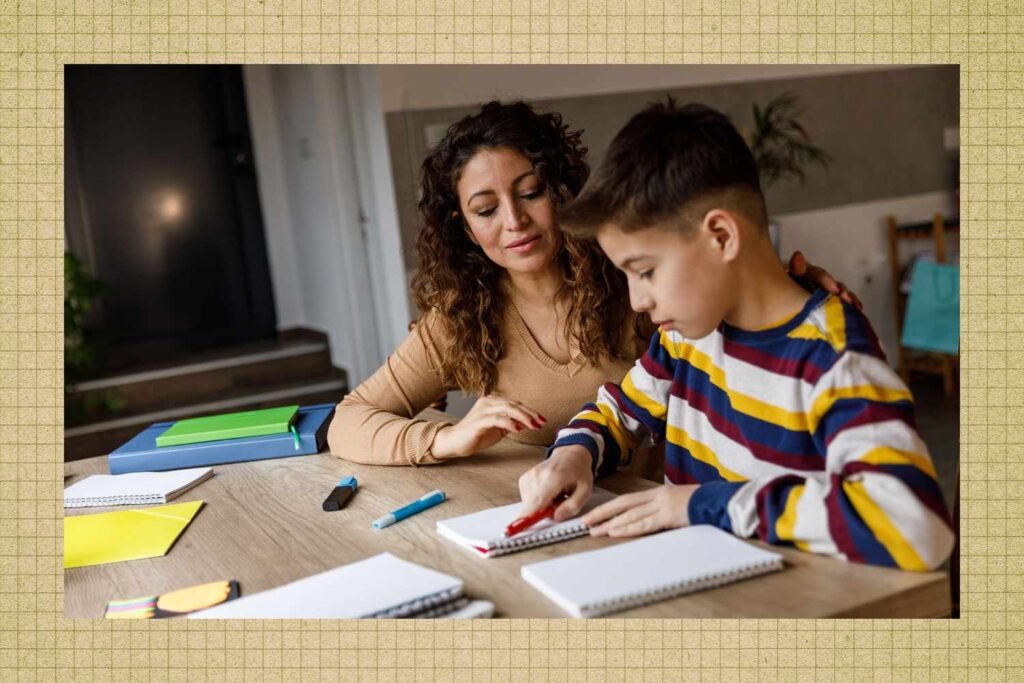
Learn how to support your child’s skill development through interest, practice, and encouragement without pressure. Build confidence and long-term growth.
Once parents begin to notice their child’s interests, a natural question follows:
“How do I help this grow?”
This is where many parents feel uncertain.
Some begin to push too early.
Others step back completely, afraid of doing the wrong thing.
But skill development is not about pushing harder.
It is about supporting the right process.
Children develop skills when three things come together:
- interest
- practice
- and support
When these are balanced, growth becomes steady and sustainable.
What Skill Development Really Means
Skill development is not just about getting better at something.
It is about how a child:
- practices
- responds to mistakes
- stays engaged
- and builds confidence over time
A child learning piano is not just learning music.
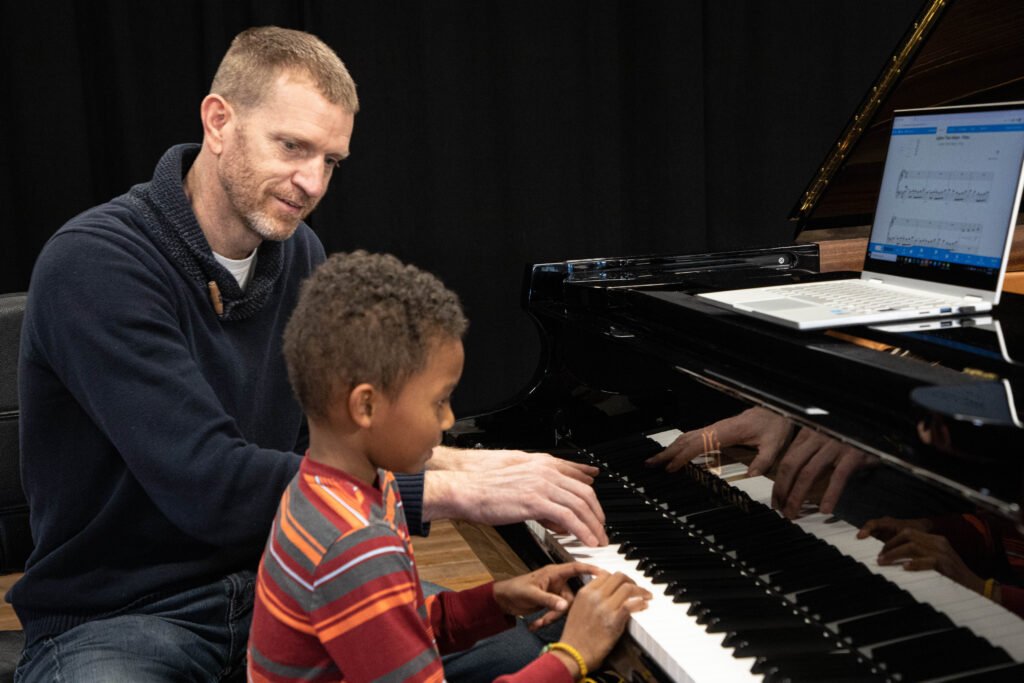
Child learning to play piano
They are also learning:
- patience
- focus
- emotional regulation
- persistence
This is why how skills are developed matters as much as what is being developed.
1. Start With Interest, Not Pressure
Many parents commit big errors in pushing their children to work on and develop skills they are not interested in! I would give a typical example of a parent I know; she has little boy interested in music but, the mama wanted him to play football (soccer). She was always putting pressure on her child but that didn’t last for long since the boy lost interest! Until we started working with Mama to develop the kid in the thing he was interested in, which is Music, and now the boy is really doing well.
This is very crucial because skills grow best when they begin with genuine interest.
When a child chooses an activity, they are more likely to:
- stay engaged longer
- try again after mistakes
- enjoy the process
For example:
A child who loves drawing will naturally spend more time practicing — without being forced.
That repetition builds skill.
Pressure can create short-term performance.
Interest creates long-term growth.
2. Use the “Stretch, Not Snap” Rule
Growth happens when a task is slightly challenging — but not overwhelming.
Too easy → boredom
Too hard → frustration
The right level creates engagement that soon results in creativity.
For example:
If a child is learning to read, giving them slightly harder words (not impossible ones) helps them grow.
This balance builds both skill and confidence.
3. Focus on Small, Repeatable Practice
Skill development is not built in long, intense sessions.
It grows through small, consistent effort.
10–20 minutes of focused practice daily is often more effective than long, irregular sessions.
For example:
- practicing a few piano notes daily
- solving a few math problems
- drawing regularly
Consistency strengthens neural pathways.
This is how the brain learns.
4. Allow Mistakes to Be Part of the Process
Many children stop trying when they fear getting it wrong.
But mistakes are not interruptions to learning.
They are part of it.
When a child makes a mistake and tries again, the brain adjusts and strengthens.
Instead of saying:
“That’s wrong.”
Try:
“Let’s look at what happened.”
This keeps the child engaged instead of discouraged.
5. Give Specific, Calm Feedback

A parent supporting and encouraging her kid
Feedback shapes how children see their progress.
Instead of general praise like:
“Good job”
Use specific feedback:
- “You stayed focused on that.”
- “You tried a different way.”
- “You didn’t give up.”
This helps children understand what leads to improvement.
It builds awareness, not just confidence.
6. Protect Rest and Recovery
Growth does not happen during effort alone.
It also happens during rest.
Sleep, breaks, and downtime allow the brain to:
- consolidate learning
- recover energy
- strengthen memory
This is why overtraining or overscheduling can slow development.
Balanced rhythm supports stronger growth.
7. Let the Child Own the Process
Children develop stronger skills when they feel ownership.
Instead of controlling everything:
- involve them in decisions
- ask what they want to improve
- let them set small goals
For example:
“What do you want to get better at this week?”
Ownership builds motivation. So; try to assist and support the growth not to dictate the growth!
Motivation sustains practice.
8. Watch for Signs of Healthy Skill Growth
a child enjoying the art of drawing!
You don’t need tests to know if a skill is developing.
Look for patterns:
- the child asks for harder challenges
- they stay engaged longer
- they recover faster from mistakes
- they show pride in progress
These are signs that interest is turning into strength.
Why This Matters for Long-Term Potential
Talent is not something that appears fully formed.
It develops over time.
And the way skills are supported early shapes:
- confidence
- persistence
- identity
A child who learns:
“I can improve”
is more likely to continue growing.
A child who feels pressured may stop trying altogether.
Final Thoughts
You don’t need to push your child to grow.
You need to support how they grow.
Focus on:
- interest
- consistency
- encouragement
- and balance
Because skills are not built in one moment.
They are built in small, repeated experiences.
And when those experiences are supported well,
they turn into confidence.
And confidence allows potential to continue growing.