Artificial intelligence is reshaping the future of work. Learn how parents can identify and nurture their child’s natural strengths to help them adapt, thrive, and grow with confidence in a changing world
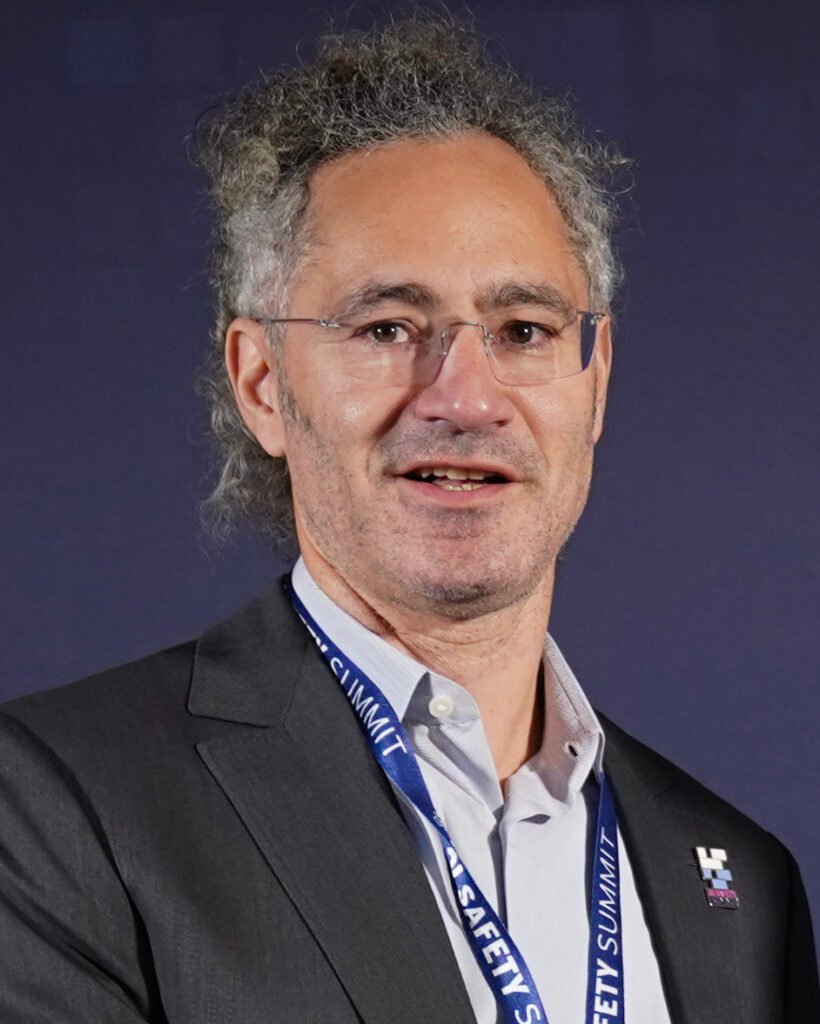
Last month, Alex Karp a tech CEO of Palantir, (an American software company for big data analysis and AI) made a statement that caught a lot of attention.
He argued that artificial intelligence is rapidly replacing many traditional white-collar jobs—especially those built on predictable, repetitive thinking; like philosophers, data analysts and others.

A man lost his job due to technology & AI
In simple terms:
If a job follows a pattern, AI will eventually learn it.
But what stood out wasn’t just what may have disappeared. It was who might thrive instead.
He pointed to three groups:
- Skilled, hands-on workers (people who work like plumbers, electricians and other vocational and skilled trade workers)
- People who think differently (neurodivergent persons like people with Autism, ADHD and dyslexia) because they often think differently, breaking conventional rules rather than following a standard playbook.
- Creative minds who build new ideas; here he talked about people like artists and other creative thinkers; because they can look at things from different directions and build unique things.
At first glance, this might sound like a workforce trend. But for parents, it’s something deeper.
It’s a signal.
The future won’t reward sameness

Children in typical traditional school room
For years, many children have been guided toward:
- Getting the “right” answers
- Following instructions
- Staying within clear systems
That is what traditional schools have brought, unfortunately since its inception, this system has never changed, while the working system has dramatically changed. The rise in technology and artificial intelligence is abolishing many types of jobs in the job market!
It is unfortunate to see people being laid off from their jobs for which they have spent a lot of money and many years in school. Technology is good as it has been invented to make life easier but for many people it makes life miserable!
This is where we might be the best option for the parents who understand this new movement; to raise extraordinary children ready to face the future no matter what!
At child spark; our mission is to help parents identify, nurture and grow children’s natural strengths early. We believe that every child is born with natural potential that can grow and become an amazing talent!
Even though those skills from traditional schools still matter, to be honest they’re no longer enough. That is why we say that a combo of school education plus strength-based parenting can make your child an extraordinary person to face the future!
Because the future is shifting toward something more human:
- Adaptability
- Creativity
- Insight
- Emotional awareness
- read here; future of jobs report by world economic forum
In other words, the qualities that make a child unique—not uniform—are becoming more valuable. That is why we are calling out parents to think again about the future of our children, especially those who are under 12 years old, they are rising in a different world than the one we have grown from. If we as parents are now suffering, what will happen in the next twenty years? As a parent, I urge you not to wait for the school system to change according to the work system because it won’t! If you can commit at least two years spending more time with your children and start tracing their natural potentials/strengths and talents, it could change their future forever.
Every child already shows clues

A young girl for outdoor project of art-panting!
Here is what you can begin identifying for your children, so you may be aware of what their future potentials and talent could be.
Children don’t suddenly “become talented” one day.
They leave clues.
Small, repeated signals that often go unnoticed:
- What they choose when no one tells them what to do
- What holds their attention longer than expected
- What they return to again and again
- How they solve problems in their own way
These patterns matter more than one-time achievements.
Because potential is not a moment.
It’s a pattern.
What often gets missed
Many strengths don’t look impressive at first.
A child who:
- Asks endless “why” questions
- Takes things apart
- Gets deeply absorbed in one topic
- Struggles with routine but thrives in creative tasks
These aren’t problems to fix. They can be signals.
But in structured environments, these signals are often misunderstood—or even suppressed.
The role of parents is changing
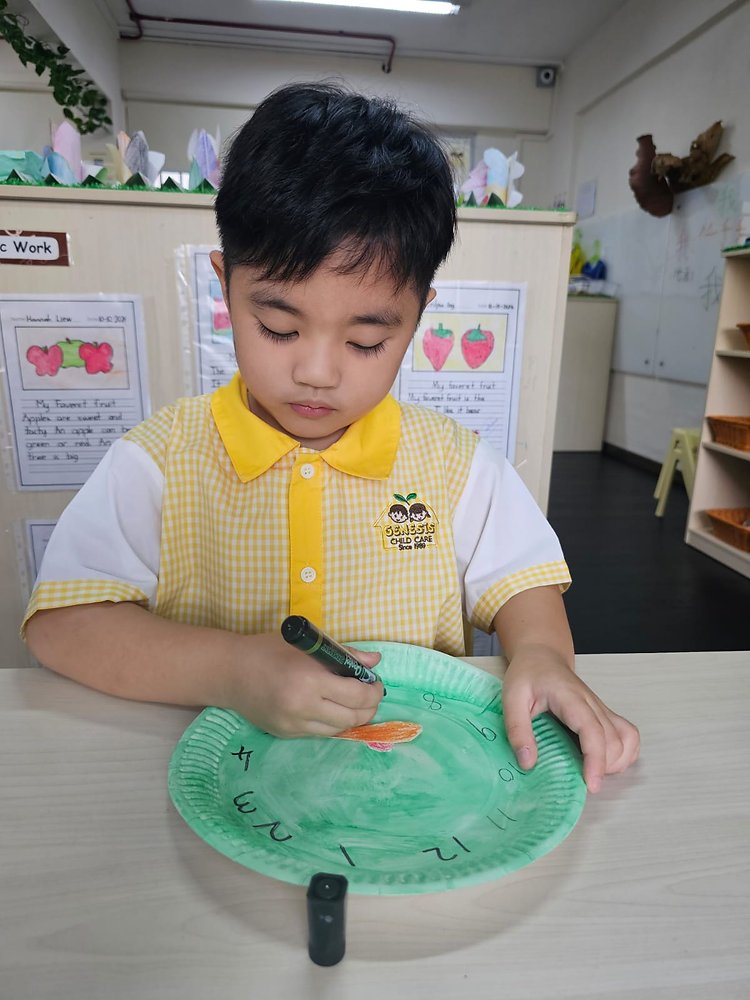
a creative thinking young boy

a Creative sketch
Preparing a child for the future is no longer about choosing the “right path” early.
It’s about helping them understand themselves.
That means shifting from:
- Directing → Observing
- Controlling → Guiding
- Pushing → Supporting
Not by doing more. But by noticing it better.
What actually helps children thrive

Emotional connection between kid and her mother!
The children who adapt best in a changing world tend to have a few things in common:
They are:
- Emotionally secure
- Comfortable making mistakes
- Curious about how things work
- Able to reflect on themselves
- Empathetic toward others
This isn’t about raising a “perfect” child. It’s about raising a grounded one.
Because when a child understands themselves, they can:
- Learn faster
- Adjust quicker
- Build skills that actually fit them
A simple shift that makes a big difference
Instead of asking:
“Is my child good at this?”
Try asking:
- “What gives them energy?”
- “What do they choose on their own?”
- “Where do they keep trying, even when it’s hard?”
These questions reveal far more than performance ever will.
You don’t need to rush—but you do need to notice
The future can feel uncertain.
But this part is clear:
Children who are supported in their natural strengths—
while also building emotional resilience and self-awareness—
will be better prepared for whatever comes next.
Not because they were pushed harder.
But because they were understood earlier.
Final thought
The goal isn’t to predict your child’s future.
It’s to pay attention to who they are becoming.
Because in a world that’s changing fast,
that might be the most stable advantage they have. for more information you may read here; the highlights of Unicef about the skills of the future