
Discover the best books to understand your child’s brain, behavior, and potential. Practical, research-based reads for parents who want to support growth.
Many parents want to support their child’s growth.
So they look for:
- better schools
- better activities
- better tools
But one of the most powerful things a parent can invest in is understanding how their child actually develops.
Because when you understand the brain:
- behavior makes more sense
- emotions feel less overwhelming
- learning becomes clearer
- and potential becomes easier to notice
The books below are not about raising “perfect” children.
They help you understand:
- how children think
- how they feel
- how they grow
- and how to support them without pressure
1. The Whole-Brain Child — Understanding How the Brain Works
By Daniel J. Siegel & Tina Payne Bryson
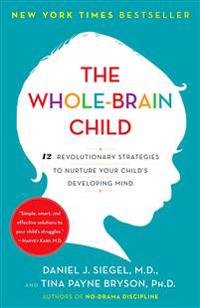
The whole -brain child; a book by Dr. Siegel and Bryson
This is one of the most practical books for parents.
It explains how different parts of a child’s brain develop and why children sometimes:
- have emotional outbursts
- struggle with logic
- react impulsively
What makes this book valuable is how it connects brain science to everyday parenting.
It introduces simple ideas like:
- connecting before correcting
- helping children integrate emotions and logic
Why it matters for identifying natural strengths:
A child who can regulate emotions can focus, learn, and grow their strengths more effectively.
2. Mindset: The New Psychology of Success — How Beliefs Shape Growth
By Carol S. Dweck
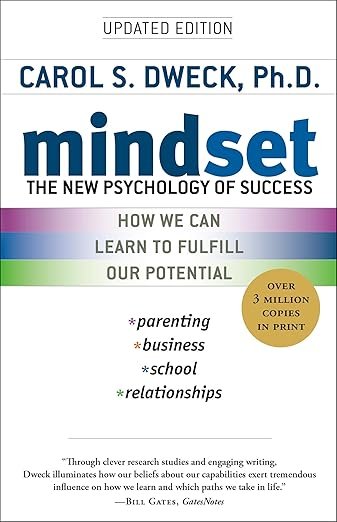
Mindset; The new psychology of Success; a book by Dweck carol
This book explains the difference between:
- a fixed mindset (“I’m just not good at this”)
- a growth mindset (“I can improve with effort”)
Children who develop a growth mindset are more likely to:
- persist through challenges
- try again after failure
- develop skills over time
The author has clarified that nothing can defeat the mind that is strait focused and determined. That is why this book matters a lot about strength-based parenting!
Talent is not just ability.
It is the willingness to keep going.
This book helps parents encourage that.
3. The Gift of Failure — Why Struggle Is Part of Growth
By Jessica Lahey
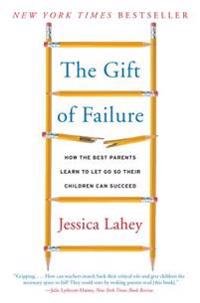
The gift of failure; a book by Jessica Lahey
Many parents try to protect their children from mistakes.
But this book explains why struggle is necessary for learning.
It shows how over-helping can:
- reduce independence
- weaken confidence
- limit real growth
Why it matters for potential:
Children develop strengths when they learn to handle difficulty — not avoid it.
4. Grit: The Power of Passion and Perseverance — Why Consistency Matters
By Angela Duckworth
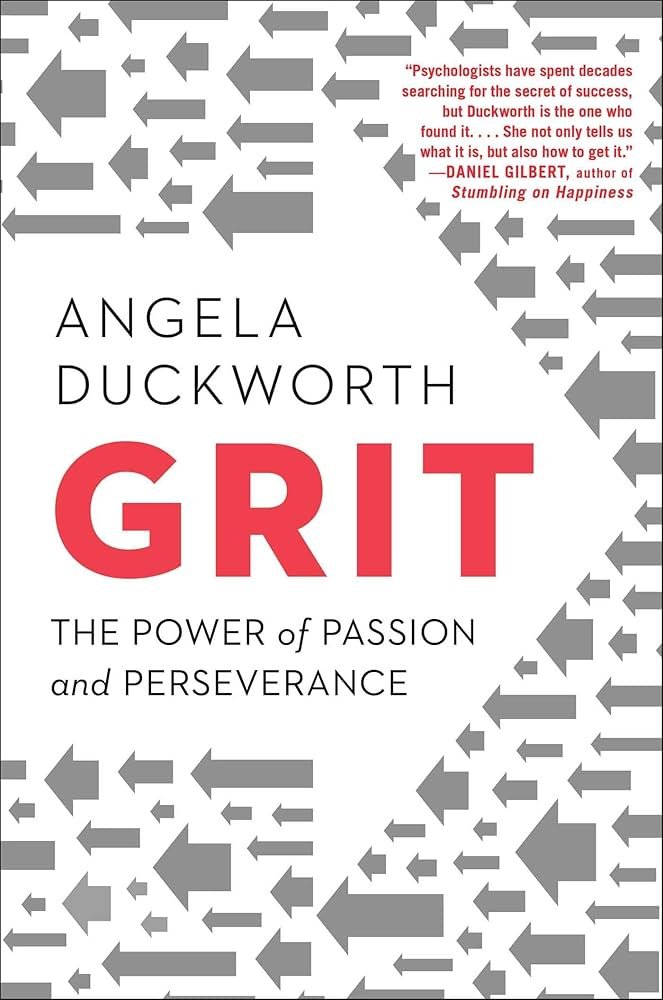
GRIT; the power of passion and perseverance. a book by Angela Duckworth
This book focuses on one key idea:
Success is not just talent.
It is sustained effort over time.
It explains how:
- interest
- practice
- purpose
- and persistence
work together to build mastery.
Why it matters for potential and talent development;
A child’s early interest becomes real strength only when supported over time.
5. How Children Succeed — What Really Predicts Success
By Paul Tough
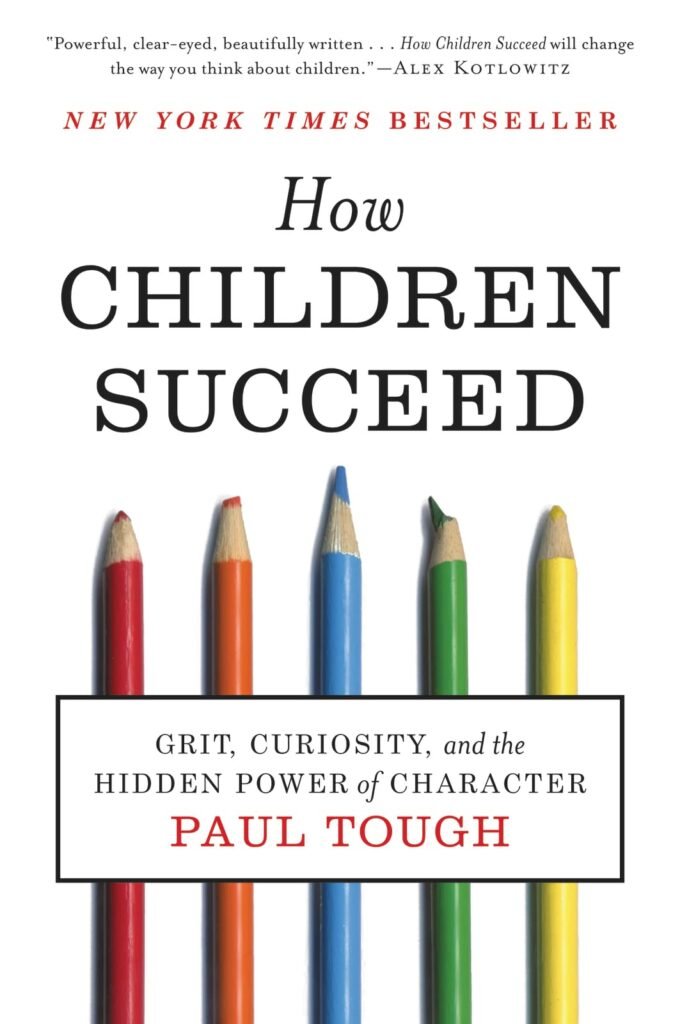
How Children Succeed by Paul Tough
This book explores how non-academic skills shape a child’s future.
It highlights the importance of:
- emotional regulation
- resilience
- self-control
- environment
Why it matters a lot;
Academic performance alone does not determine long-term success; because the tradition school system has not yet changed while the jobs and working system have changed, the raise of technology and artificial intelligences, are destroying the hope of many professional workers! But if you could commit a few years for your kid (from year 4 –11years old) and support them to identify their natural strengths, they would thrive in future hard times.
That is why this book is very important in helping a child to build character and emotional skills that play a major role.
How to Use These Books (Without Overwhelm)
You don’t need to read everything at once.
Start simple:
- Pick one book
- Read slowly
- Apply one idea at a time
For example:
After reading The Whole-Brainchild, you might start:
- naming emotions
- responding more calmly
Small changes create real impact over time.
What These Books Have in Common
Even though each book is different, they all point to the same truth:
Children grow best when:
- they feel safe
- they are allowed to try
- they are supported through mistakes
- their effort is valued
- their environment encourages curiosity
This aligns with everything we’ve discussed across our blog; ChildSparkGuide.
Final Thoughts
You don’t need more pressure.
You don’t need perfect strategies.
You need understanding.
When you understand how your child’s brain works,
you begin to see their behavior differently.
And when you see differently,
you respond differently.
That shift — more than anything else —
creates the conditions where potential can grow.