Learn how to discover your child’s potential by observing interests, energy, curiosity, and behavior patterns. A practical guide for parents who want to nurture their child’s strengths.
Every child has strengths.
But those strengths do not always appear in obvious ways.
Some children show their abilities loudly — through strong academic performance or visible achievements. Others show them quietly — through curiosity, creativity, problem-solving, or deep focus on certain interests.
Many parents want to support their child’s potential, but they are unsure where to begin. Some worry they might miss important signals. Others feel uncertain about how to distinguish real potential from temporary interests.
The truth is that discovering a child’s potential is not about labeling them early or predicting their future.
It is about observing patterns over time.
Children reveal their strengths gradually through what they enjoy, what they repeat, what captures their attention, and how they respond to challenges.
When parents learn to notice these signals, they can provide the environment where those strengths grow. Harvard University; the center on developing child, have released research on ”how experiences shape child brain development” you can read it here
Let us dive into practical ways parents can begin discovering their child’s potential.
1. Start a “Strengths Journal”
One of the simplest and most powerful tools parents can use is a strengths journal.
This is simply a small notebook or digital document where you record observations about your child.
Instead of focusing only on achievements, write down moments where your child shows:
- curiosity
- persistence
- creativity
- empathy
- problem-solving
- leadership
- deep focus
For example:
You might notice your child spending an hour building something with blocks, trying different designs until it works. That may be a signal of engineering thinking.
Or your child may comfort a friend who is upset. That may reflect strong emotional intelligence.
Write down not only what happened, but also how your child felt during the activity.
Over time, patterns will appear.
These patterns often reveal strengths more clearly than one-time successes.
2. Listen Carefully to Your Child
Children often tell us what interests them — if we listen closely.
Listening is not just hearing their words. It gives them space to express their thoughts without interruption or judgment.
Instead of asking questions that lead to simple answers like “yes” or “no,” ask open-ended questions such as:
- “What part of that activity did you enjoy most?”
- “What made that fun for you?”
- “If you could do it again, what would you change?”
- “What would you like to try next?”
These questions help you understand how your child thinks.
Sometimes children reveal surprising interests when they feel safe to share them.
Listening also builds trust, which encourages children to explore their strengths without fear of criticism.
3. Offer Choices and Observe Their Preferences
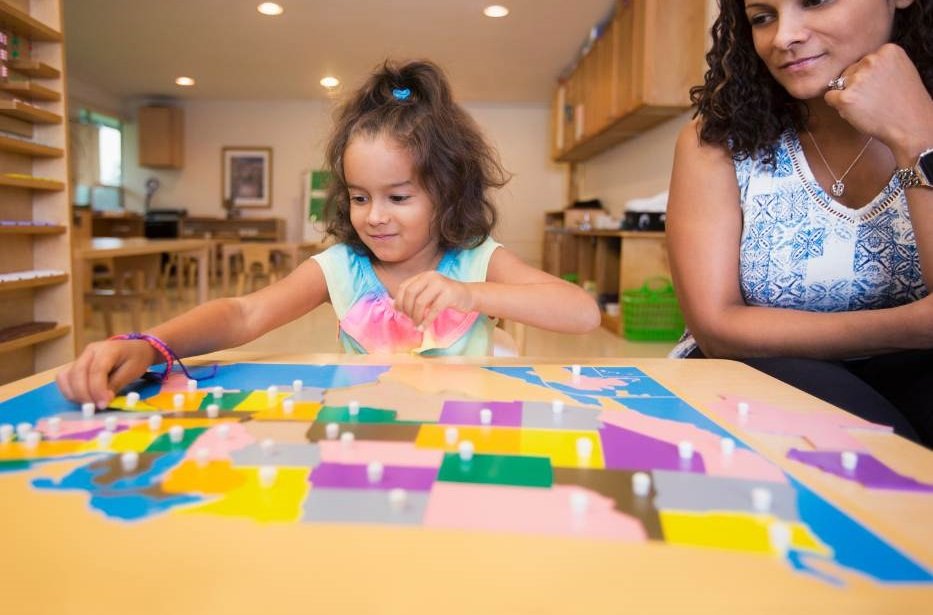
parent observing child drawing to discover strengths and interests
Children often reveal their potential through the choices they make when they are free to choose.
When possible, give your child opportunities to explore different activities:
- drawing
- building
- music
- storytelling
- sports
- puzzles
- nature exploration
Watch what happens.
Some children move quickly between activities.
Others stay deeply engaged with one.
The activities your child returns to again and again often reveal genuine interest, and that can show how curiosity support early learning.
Interest is important because motivation grows naturally from it.
And long-term talent usually begins with repeated interest.
4. Allow Children to Tell Their Own Story
Parents naturally want the best for their children.
Sometimes, however, good intentions can turn into pressure.
When adults try to shape a child’s path too strongly, children may hide their true interests to avoid disappointment.
Healthy development happens when children feel free to explore their own direction.
Parents play an important role as guides and supporters — not directors.
Encourage your child to imagine possibilities.
Let them experiment.
Let them discover what feels meaningful to them.
The goal is not to decide their future today, but to create space for it to emerge.
5. Avoid Comparing Your Child to Others
Comparison can damage confidence and distort how children see their own abilities.
Every child develops at a different pace.
Some strengths appear early.
Others emerge much later.
A child who struggles academically in early school years might later show exceptional creativity or problem-solving ability.
Comparing children to siblings or classmates can make them feel that their value depends on outperforming others.
Instead, focus on individual progress.
Celebrate effort, curiosity, and improvement.
These qualities are far better indicators of long-term growth than comparison.
6. Notice What Energizes Your Child
One helpful question parents can ask themselves is:
What gives my child energy?

child deeply focused building blocks showing natural interest and concentration.
Some activities seem to drain children quickly.
Others seem to energize them.
For example:
A child who becomes animated while explaining how something works may enjoy engineering or science thinking.
Another child who spends hours inventing stories may have strong narrative creativity.
Energy is often a strong signal of potential.
Children naturally invest effort in activities that excite them.
7. Watch How Your Child Responds to Challenges
Potential is not only revealed through success.
It is also revealed through persistence.
Some children become discouraged quickly when something is difficult.
Others show determination to figure things out.
A child who continues trying after mistakes may be developing resilience — a key ingredient in skill development.
For example:
A child practicing a musical instrument who repeats a difficult section several times may be demonstrating both interest and perseverance.
These patterns are important clues.
8. Encourage Exploration, Not Early Specialization

curious child exploring nature showing natural curiosity and discovery.
Many parents worry about whether their child should specialize early in one activity.
But research suggests that broad exploration in early childhood can be beneficial.
Exposure to different activities allows children to discover interests they might not encounter otherwise.
Exploration helps develop a variety of skills such as:
- creativity
- adaptability
- problem-solving
- communication
Later, when a genuine interest becomes clear, deeper focus can follow naturally.
9. Protect Time for Free Play
Unstructured play is one of the most powerful ways children discover their abilities.
During free play, children experiment, create rules, imagine stories, and solve problems independently.
This freedom allows natural strengths to appear.
For example:
A child who organizes games for other children may be developing leadership skills.
Another who builds elaborate imaginary worlds may have strong creative thinking.
Free play gives children space to explore without pressure.
10. Create a Supportive Environment
Children thrive when they feel emotionally safe.
Encouragement, patience, and curiosity from adults help children feel confident exploring their interests.
Parents do not need to provide expensive resources or perfect opportunities.
What matters most is:
- attention
- encouragement
- patience
- and time together
When children feel supported, they are more willing to try, fail, learn, and grow.
Why Discovering Potential Takes Time
Because identifying a child’s potential is not a one-time event.
It is a process of observations .
Patterns appear gradually as children grow, try new experiences, and develop confidence.
Parents who stay curious and attentive often notice these patterns earlier.
And when strengths are recognized early, children receive the support they need to develop them further.
Final Thoughts
Every child carries seeds of potential.
But those seeds grow best in an environment of patience, curiosity, and support.
Discovering your child’s strengths does not require special tests or complicated systems.
It begins with simple observations.
Watch what excites them.
Listen to what they talk about.
Notice what they return to again and again.
These small signals often point toward something deeper.
And when parents nurture those signals with encouragement and understanding, children gain the confidence to grow their abilities over time.
Because potential is not something children are born fully with.
It is something that develops when the right conditions allow it to grow.